This amount of AI hardware is just right!
To:Brew Readers
We are pretty sure that’s how the fairy tale goes…

Woohoo, it’s Wednesday! To all our Swiftie readers: If you plan on taking Oct. 3 off to vibe out to the release of The Life of a Showgirl, just know you aren’t alone. Those of us in the office will be living vicariously through you that day.

In today’s edition:

One GPU, please!

Severe we go

Show your ID

—Billy Hurley, Brianna Monsanto, Caroline Nihill

HARDWARE

Collaged images of AI training cluster, binary code, and hands installing hardware equipment. (Credit: Illustration: Anna Kim, Photos: Adobe Stock)

Illustration: Anna Kim, Photos: Adobe Stock

Some AI jobs demand a huge hardware buildout in the office, others require nothing more than a subscription to a cloud-based AI service such as OpenAI or Google Gemini.

Deciding whether to build out a customized AI platform, buy (or rent) one from a third-party vendor, or wait and see what the future brings is a critical choice, especially as many AI deployments haven’t paid off yet. For IT pros who decide to build, how can they ensure their AI hardware and software doesn’t become “shelfware”?

A 2025 MIT study revealed that 95% of 300 publicly disclosed AI initiatives found zero return on their investments.

In many cases when building out customized AI, “the reality is the servers become the equivalent of shelfware,” Dean Chyla, solutions director for compute and AI at solutions integrator Insight Enterprises’s Infrastructure Center of Excellence, told IT Brew. “They’re sitting there. Maybe configured, maybe not configured, certainly not optimized. And there’s kind of a long road for customers like that, where they need to build the skills to actually use it.”

The questions you should ask before buying AI hardware.BH

Presented By Material Security

CYBERSECURITY

A medieval shield with digital lines going through it with a computer mouse pointing at it close with binary code and a black and green squares behind it on a dark blue background

Francis Scialabba

Sir Isaac Newton found that what goes up must come down, and though he was thinking about objects under the force of gravity, that very same thing happened for cyber insurance claims in the first half of this year.

According to a new report from cyber risk management firm Resilience, cyber insurance claims fell 53% in the first half of 2025 compared to the same period last year. During this period, the average loss incurred from claims fell 11%. Resilience’s findings are based on analysing its internal insurance claims.

While Resilience said the decline in cyber claims indicates a “stabilization in the cyber risk environment,” the firm found that the severity, or the incurred losses of ransomware attacks, grew 17% YOY in H1 2025.

This year’s highs and lows in cyber insurance claims.BM

CYBERSECURITY

A hand holding an index finger up to a fingerprint scanner

Amelia Kinsinger

The last time the National Institute of Standards and Technology (NIST) revised its framework about digital identity, it was 2017. Fidget spinners and Ed Sheeran were big, and far fewer people could define a “deepfake.” Now, with companies facing tons of new identity-related cyber threats, NIST has given its framework a much-needed update.

Specifically, the NIST framework’s fourth revision for its Digital Identity Guidelines shares the technical requirements for “meeting digital identity assurance levels for identity proofing, authentication, and federation,” which include security and privacy requirements and improved customer experience, according to NIST’s blog post.

For IT pros responsible for ensuring employees access sensitive and identifiable information in a safe and reliable way, the NIST framework can help provide guidance for navigating fraud threats, especially as cyberattackers look for new and sophisticated ways to access secrets and systems.

“These guidelines are ultimately intended to make navigating the digital world more secure and convenient by providing a framework to understand online risks and controls that can better protect our critical online services,” NIST stated.

NIST’s Digital Identity Guidelines makeover.CN

Together With Hosting.com

PATCH NOTES

Picture of data with "Clean Me" written on it + bottle of cleaner in front of it, Patch Notes

Francis Scialabba

Today’s top IT reads.

Stat: 65%. That’s the proportion of CISA’s staff at risk of getting furloughed if the federal government shuts down this week. (Cybersecurity Dive)

Quote: “I guess you don’t want to live on the beach in the Bahamas?”—a malicious actor with the alias Syndicate, to a BBC reporter during a multi-day attempt to convince the staffer to give up access to his PC (BBC)

Read: Your delivery driver robot is on the way! (TechCrunch)

Three warning triangles with exclamation points inside of them

Amelia Kinsinger

Learn effective strategies to minimize unplanned downtime in critical IT systems. This article explores the financial and reputational effects of service disruptions, highlights essential tools like Building Management Systems and Computerized Maintenance Management Systems, and emphasizes the importance of redundancy and proactive incident response planning to ensure consistent uptime.

Read now

SHARE THE BREW

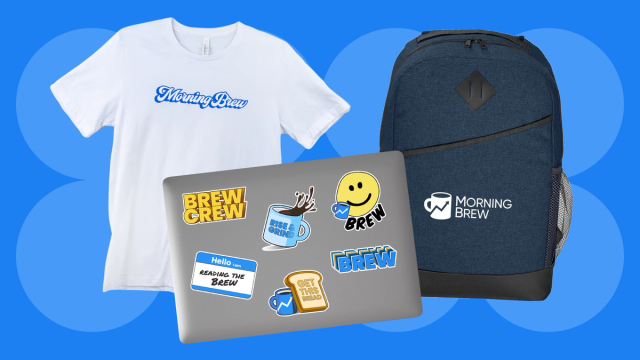
Share IT Brew with your coworkers, acquire free Brew swag, and then make new friends as a result of your fresh Brew swag.

We’re saying we’ll give you free stuff and more friends if you share a link. One link.

Your referral count: 5

Click to Share

Or copy & paste your referral link to others:
itbrew.com/r/?kid=9ec4d467

         
ADVERTISE // CAREERS // SHOP // FAQ

Update your email preferences or unsubscribe here.
View our privacy policy here.

Copyright © 2025 Morning Brew Inc. All rights reserved.
22 W 19th St, 4th Floor, New York, NY 10011

Top insights for IT pros

From cybersecurity and big data to cloud computing, IT Brew covers the latest trends shaping business tech in our 4x weekly newsletter, virtual events with industry experts, and digital guides.

By subscribing, you accept our Terms & Privacy Policy.

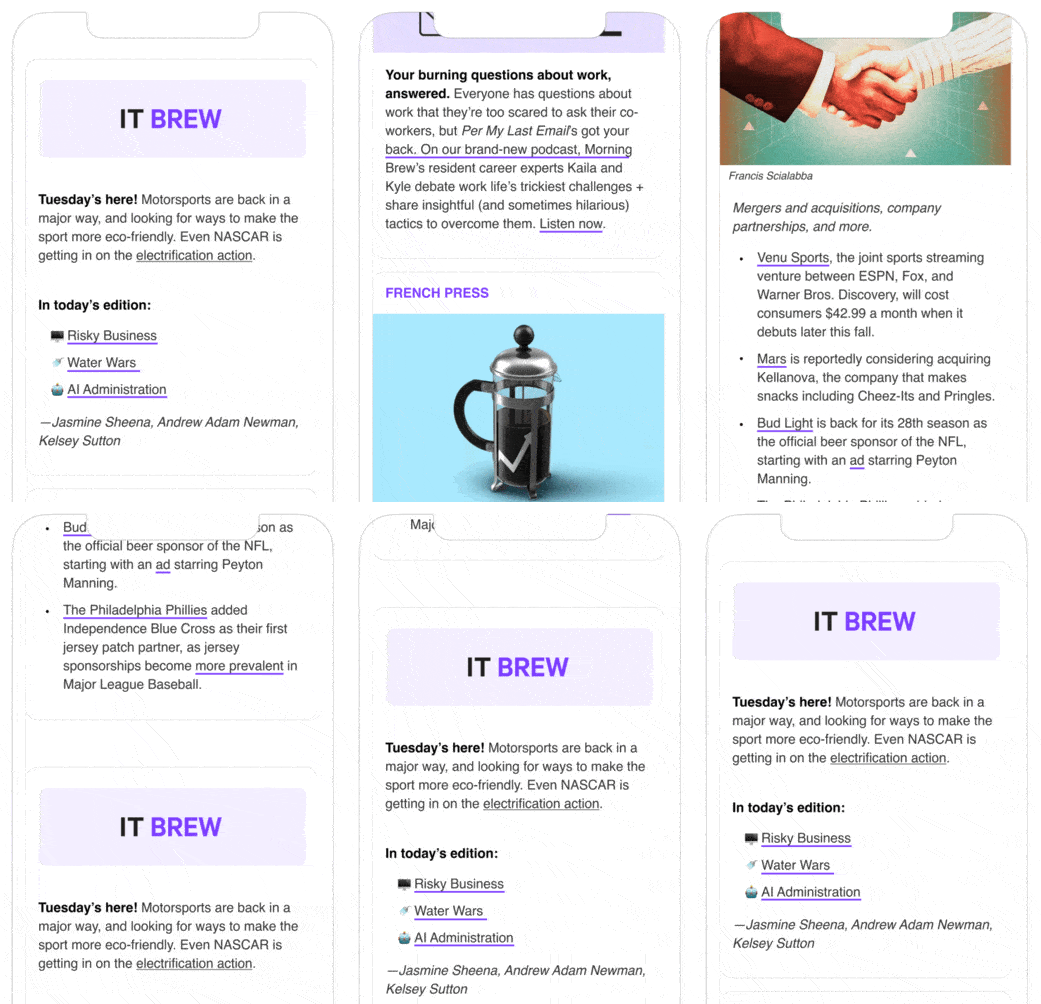
A mobile phone scrolling a newsletter issue of IT Brew