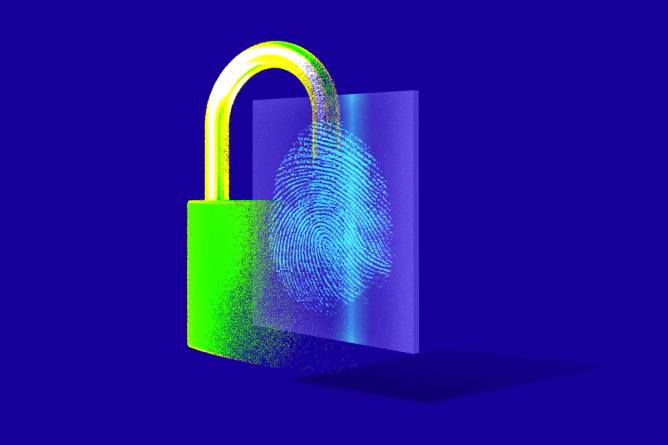
Major players in the cybersecurity game are moving on from passwords to the more secure (and still esoteric) passkey. Think of passkeys, said RSA Security’s Jim Taylor, like a ripped-in-half bank note: One side (a private key) remains tied to a user’s device, and the other side (a public key) remains with a given server. The keys together, activated by a user’s pin or biometric signature, initiate access. But passkeys can eliminate the use (or reuse) of a password that can be easily compromised. Passkey users are also protected against phishers looking to deploy a fake, realistic-looking site, but one that lacks a public key—the other half of that bank note. Passkeys offered an upgrade for Taylor, chief product and technology officer at the network security company, and his team as they recently deployed passwordless options across their organization. Taylor warned, though, that passkeys still can be compromised. “It doesn’t matter how good the credential is if I use a bypass attack and get new credentials,” Taylor said. Read more about the different types of passkeys.—BH | 








 is something you never want to hear from a hacker (outside of a movie).